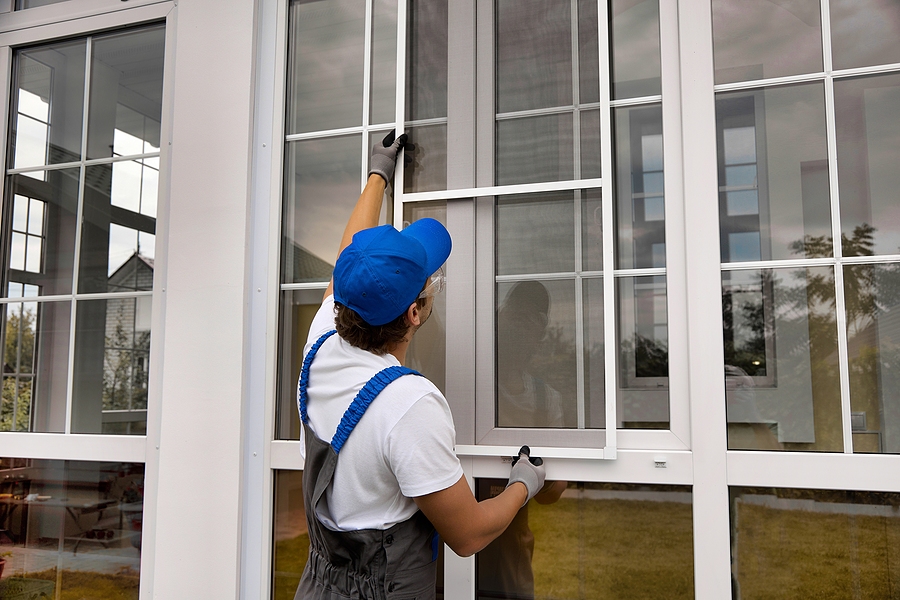
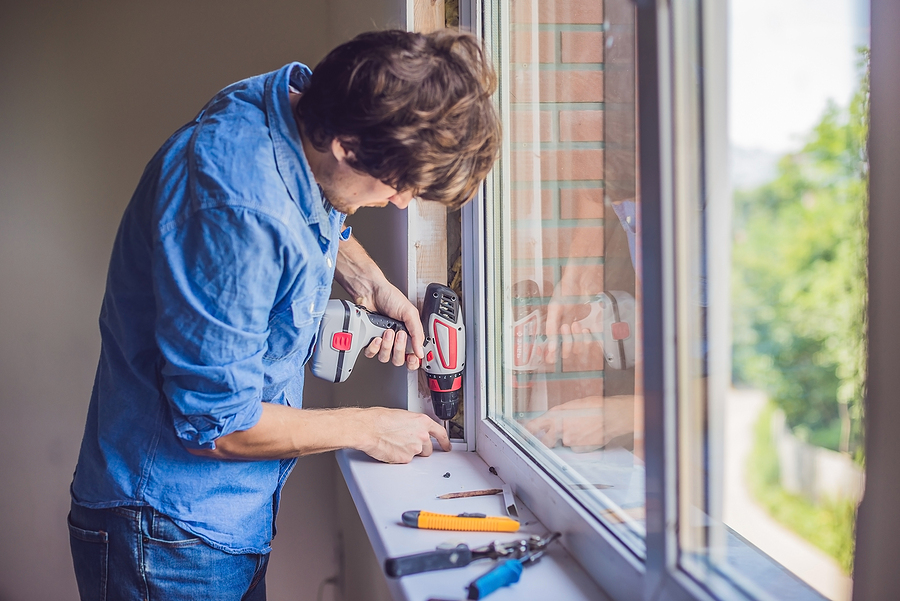
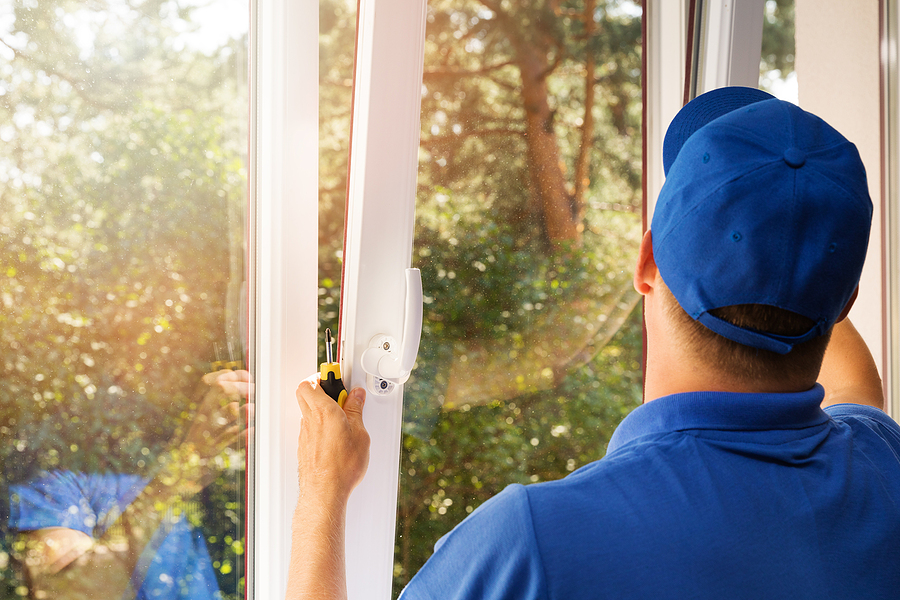
When a storm rolls in, especially the kind that knocks down trees and peels back shingles, you want to be sure your doors can stand their ground. That’s where impact-resistant doors come in. These doors are specially designed to hold up under intense pressure and flying debris, helping protect your home and everything (and everyone) inside.
Whether you live in a hurricane-prone area or simply want peace of mind during seasonal storms, investing in the right stormproof door materials can make a world of difference. In this guide, we’ll explore what makes a door impact-resistant, the best materials for the job, and how to choose the right option for your home.
What Are Impact-Resistant Doors?
Impact-resistant doors are built to withstand high winds and powerful impacts without splintering, breaking, or blowing open. They’re typically tested using rigorous standards, including the Large Missile Impact Test, which simulates flying debris in hurricane-force winds.
Unlike standard exterior doors, impact-resistant versions use reinforced cores, shatter-resistant glass (if applicable), and strong frames that keep everything secure even during the harshest conditions. They’re commonly required by building codes in coastal regions, but even inland homes can benefit from this extra level of protection.
Why Do Impact-Resistant Doors Matter?
The Federal Emergency Management Agency (FEMA) reports that windborne debris during hurricanes and tornadoes is one of the leading causes of structural damage in residential homes. And once a door or window fails, wind pressure can increase inside the home, leading to roof damage or complete structural collapse.
Impact-resistant doors act as a front-line defense. They’re designed not only to resist impact but to remain closed and latched even when the worst-case scenario hits.
Best Stormproof Door Materials
Not all doors are created equal. When it comes to stormproof door materials, you want more than just good looks—you need durability, weather resistance, and structural strength.
Let’s break down the most common materials used in impact-resistant door construction:
Fiberglass
Fiberglass is one of the most popular choices for impact-resistant exterior doors, and for good reason. It’s incredibly strong, resists dents and warping, and stands up well to moisture and humidity. In fact, high-quality fiberglass doors can be designed to mimic woodgrain without the vulnerabilities of real wood.
Many fiberglass doors include a reinforced core (often polyurethane foam) that boosts both energy efficiency and strength. They’re a top pick for coastal homes and hurricane zones.
Steel
Steel doors are often regarded as the gold standard in terms of protection. A thick, galvanized steel skin backed with a reinforced core creates a heavy-duty barrier against flying debris and wind pressure.
Steel is less prone to cracking than wood or vinyl, and when properly coated, it can resist rust and corrosion over time. However, these doors can be heavier and may dent under impact, but unlike wood, they won’t splinter or fail structurally.
Aluminum
Aluminum is lightweight but surprisingly strong, especially when paired with reinforced cores or laminated glass for doors with windows. It’s a great option for sliding patio doors or entry doors in modern homes.
Anodized or powder-coated aluminum also withstands rust, making it a reliable option in coastal or humid environments. However, it may not offer quite the same impact resistance as steel or fiberglass without added reinforcement.
Engineered Wood with Reinforcement
Traditional wood doors can’t handle severe weather, but engineered wood products with metal or fiberglass reinforcement offer a strong middle ground. These doors retain the warmth and charm of wood while offering better structural integrity and moisture resistance.
They may be more expensive and require ongoing maintenance, but they’re ideal for homeowners who want to maintain a classic aesthetic without sacrificing strength.
Laminated Impact Glass (For Doors With Windows)
If your impact-resistant door includes a window or sidelight, it must meet the same performance standards as the door slab itself. Laminated impact glass is the go-to option here. This type of glass includes two or more panes bonded with a clear, durable interlayer—usually polyvinyl butyral (PVB).
When struck, the glass may crack, but the interlayer holds the fragments in place. This keeps your home sealed against wind, rain, and debris while preventing dangerous shards from flying.
Features to Look for in an Impact-Resistant Door
Shopping for an impact-resistant door? Keep these features in mind:
- Certification labels – Look for labels that show compliance with the Florida Building Code (FBC), Miami-Dade County approvals, or ASTM standards.
- Reinforced frames – The slab alone isn’t enough. Strong steel or composite frames are essential to keep everything locked in place during high winds.
- Heavy-duty hardware – Hinges, strike plates, and locks should be reinforced and securely fastened.
- Weatherstripping – Proper seals help block wind and water infiltration, further protecting your home.
Real-World Performance and Stats
In hurricane simulations, impact-resistant doors were shown to reduce the likelihood of total home failure by more than 50% when installed along with impact-rated windows.
This matters when you consider that, according to NOAA, the U.S. averaged over 17 severe weather events per year from 2018 to 2023 that each caused more than $1 billion in damages.
For homeowners in high-risk regions, installing impact-resistant doors is not just a safety upgrade—it’s a financial one, too.
Maintenance Tips for Stormproof Doors
Once you’ve installed your impact-resistant door, keeping it in great shape ensures it performs when it matters most. Here’s how:
- Inspect seals and weatherstripping twice a year.
- Check for rust or corrosion around hinges and hardware.
- Clean and lubricate moving parts regularly.
- Repaint or reseal wood or steel doors as needed to prevent wear.
Routine maintenance extends the lifespan of your investment and keeps your door looking and working like new.
Should You Upgrade to Impact-Resistant Doors?
If you live in a coastal area, tornado-prone region, or anywhere with intense seasonal storms, upgrading to an impact-resistant door is a smart move. It not only protects your family and property, but it could also lower your insurance premiums.
Some insurance providers offer discounts for homes that use verified stormproof door materials. And when paired with hurricane-rated windows, shutters, and a solid roof, your home becomes a fortress against extreme weather.
Choosing the right impact-resistant door is about more than checking a box for code compliance—it’s about creating a safer, more resilient home. Whether you opt for fiberglass, steel, or reinforced aluminum, knowing the best stormproof door materials puts you ahead of the storm.
From everyday peace of mind to serious storm protection, these doors are one upgrade you’ll never regret.
Ready to Upgrade Your Door Before the Next Storm Hits?
Don’t wait until the forecast is already grim. Consult with the experts at Absolute Window LLC about installing high-performance, impact-resistant doors that are as stylish as they are storm-ready. Let’s weatherproof your entryway the right way!