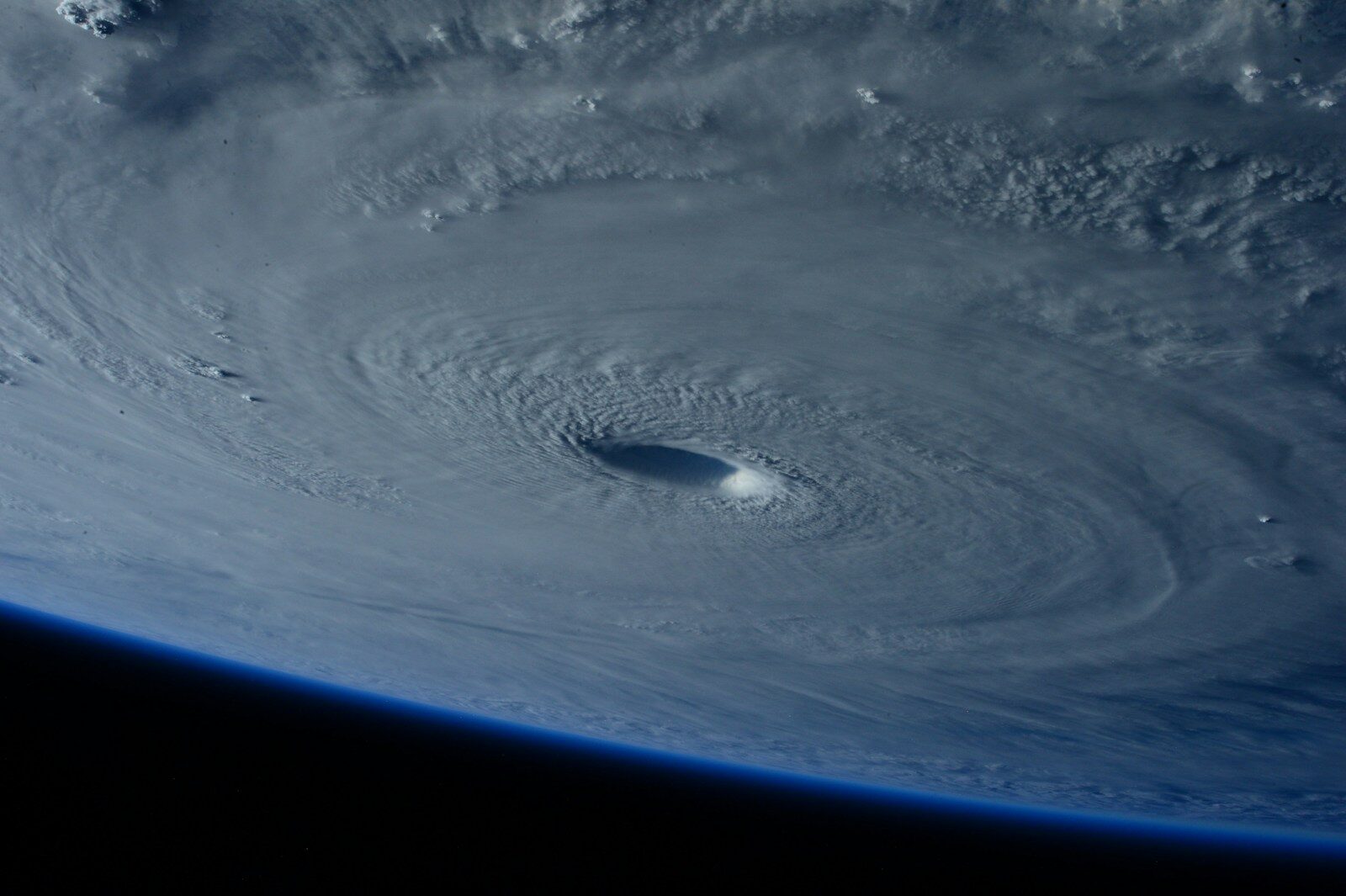
The 2026 hurricane season is approaching quickly, and while early forecasts suggest a potentially below-average number of storms, experts are emphasizing one key message: uncertainty is high, and preparation remains critical.
For homeowners, especially in hurricane-prone regions like Southwest Florida, this season brings new forecasting tools, evolving storm patterns, and important reminders about how to properly prepare your home.
When Does the 2026 Hurricane Season Start?
The Atlantic hurricane season officially begins on June 1, 2026, and runs through November 30.
Even if forecasts suggest fewer storms, it only takes one hurricane to cause significant damage. Preparing early gives you more time, more options, and less stress.
2026 Hurricane Forecast: Why Experts Are Calling It “Uncertain”
According to forecasters at Colorado State University, the 2026 season presents a mixed outlook:
- Potential for fewer storms than average.
- High variability in climate conditions.
- Greater difficulty in predicting storm behavior.
Shifting ocean temperatures and atmospheric patterns are making long-range forecasting less predictable. This means even a quieter season can still produce powerful, damaging storms.
Major 2026 Update: New Hurricane Forecast Cone Graphics
NOAA’s National Hurricane Center is introducing updated forecast cone graphics designed to improve how people understand storm risk.
Key improvements include:
- Inland watches and warnings are now included.
- Simplified cone shading for easier interpretation.
- Clearer symbols showing overlapping alerts.
These updates help highlight a critical point: hurricane risks are not limited to coastal areas. Inland communities often experience severe wind damage and flooding.
Experimental Forecast Cone: A More Realistic View of Storm Paths
In addition to the updated cone, the National Hurricane Center is testing a new experimental model.
This version:
- Uses elliptical shapes instead of circular ones.
- Represents 90% of possible storm paths (up from 67%).
This provides a more realistic understanding of how storms can shift direction and speed, giving homeowners a better sense of potential impact zones.
Expanded Storm Surge Warnings
Another update for 2026 includes expanded storm surge forecasting tools, including new alerts for Hawaii.
These tools:
- Provide probability-based surge forecasts up to 72 hours in advance.
- Incorporate storm track, wind intensity, and wind field data.
While geographically specific, this reflects a broader trend toward more precise and advanced storm prediction tools nationwide.
Hurricane Preparedness in 2026: What Most Homeowners Still Overlook
While forecasts suggest a potentially quieter season, experts continue to stress the same message: prepare for the worst, not the average.
According to guidance from the Federal Emergency Management Agency, NOAA, National Weather Service, the Centers for Disease Control and Prevention, and the American Red Cross, effective hurricane preparedness goes far beyond basic supplies.
Here are the often-overlooked steps that can make a meaningful difference before, during, and after a storm:
Document Your Home Before a Storm Hits
One of the most important and most overlooked steps is documenting your home’s condition.
FEMA recommends taking clear photos and videos of:
- Your roof, windows, and doors.
- Interior spaces and appliances.
- High-value belongings.
This creates a time-stamped record that can significantly streamline insurance claims and help prove pre-storm condition if damage occurs.
Set Up Multiple Ways to Receive Alerts
Relying on a single weather app is not enough.
NOAA and the National Weather Service recommend having at least two independent alert systems, such as:
- Wireless Emergency Alerts (WEA) on your phone
- A NOAA weather radio (battery-powered or hand-crank)
This redundancy ensures you still receive critical warnings during power outages or service disruptions.
Have a Clear Plan for Pets
Hurricane planning should include every member of your household.
The CDC and FEMA note that many emergency shelters require:
- Vaccination records.
- Proper carriers or crates.
Planning ahead allows you to identify pet-friendly shelters or hotels and avoid last-minute complications during evacuation.
Digitally Back Up Important Documents
Flooding and storm damage often destroy paper records—even in homes that remain structurally intact.
FEMA recommends storing digital copies of:
- Identification documents.
- Insurance policies.
- Property deeds.
- Medical prescriptions.
Keep these in secure cloud storage and on a portable device. If physical copies remain in your home, store them in waterproof containers placed above ground level.
Know Your Evacuation Routes
A common misconception is that evacuation planning only applies to coastal residents.
NOAA emphasizes that many hurricane-related fatalities occur inland, primarily due to flooding from heavy rainfall.
Understanding evacuation routes, local flood-prone areas, and alternative roads can be critical when conditions deteriorate quickly.
Keep Emergency Cash on Hand
After a hurricane, access to banking systems is not guaranteed.
According to FEMA and the American Red Cross:
- ATMs may be offline.
- Card payment systems may not function.
Having cash in small denominations can help cover essential purchases like fuel, food, and supplies during outages.
Build a Complete Emergency Supply Kit Early
Emergency kits should be assembled well before a storm is forecasted.
The National Weather Service recommends including:
- At least 3–7 days of water and nonperishable food.
- Medications and first aid supplies.
- Flashlights, batteries, and backup chargers.
- A battery-powered or hand-crank radio.
- Hygiene and sanitation items.
Preparing early helps you avoid shortages, long lines, and price increases as storms approach.
Review Your Insurance Coverage Carefully
Many homeowners assume they are fully protected, but that is often not the case.
FEMA, NOAA, and the CDC all emphasize:
- Standard homeowners’ insurance typically does not cover flood damage.
- Flood insurance policies often have a 30-day waiting period.
Reviewing your policy now gives you time to address gaps before hurricane season peaks.
Decide in Advance What Triggers an Evacuation
Waiting until the last minute to decide whether to evacuate can lead to dangerous delays.
The National Weather Service recommends determining ahead of time:
- What storm category or forecast will prompt you to leave.
- Whether official evacuation orders will be your trigger.
Making this decision early removes uncertainty during high-stress situations.
Prepare Your Home and Yard to Reduce Damage
Small exterior issues can lead to major damage during a storm.
The CDC recommends:
- Trimming trees and removing weak branches.
- Securing outdoor furniture and loose items.
- Cleaning gutters and drainage systems.
- Inspecting roof integrity and sealing vulnerabilities.
- Checking shutters or window protection systems.
These steps help reduce the risk of both wind and water damage.
Plan for Power Outages and Mental Strain
Extended outages can affect more than just convenience; they can impact mental health.
The American Red Cross and CDC highlight the importance of preparing for:
- Stress and anxiety.
- Disrupted routines.
- Limited access to communication or entertainment.
Including comfort items such as books, games, music, or activities, especially for children, can help maintain stability during prolonged disruptions.
Final Thoughts: Prepare Early, Not Reactively
The key takeaway for the 2026 hurricane season is clear: uncertainty increases risk.
With improved forecasting tools and evolving storm behavior, homeowners have access to better information than ever before. However, preparation still determines how well you can respond when a storm approaches.
Start early by reviewing your home, updating your emergency plan, and making necessary improvements.
Prepare Your Home Before the Next Storm: Contact Absolute Window LLC
Hurricane season doesn’t wait, and neither should your home. If you’re considering hurricane impact-resistant windows or doors, now is the time to act.
Schedule a free consultation and call 941-916-9003 today to speak with our Southwest Florida window experts at Absolute Window LLC. Our team will assess your home and explore solutions designed for real storm protection. We are located in Punta Gorda, FL.